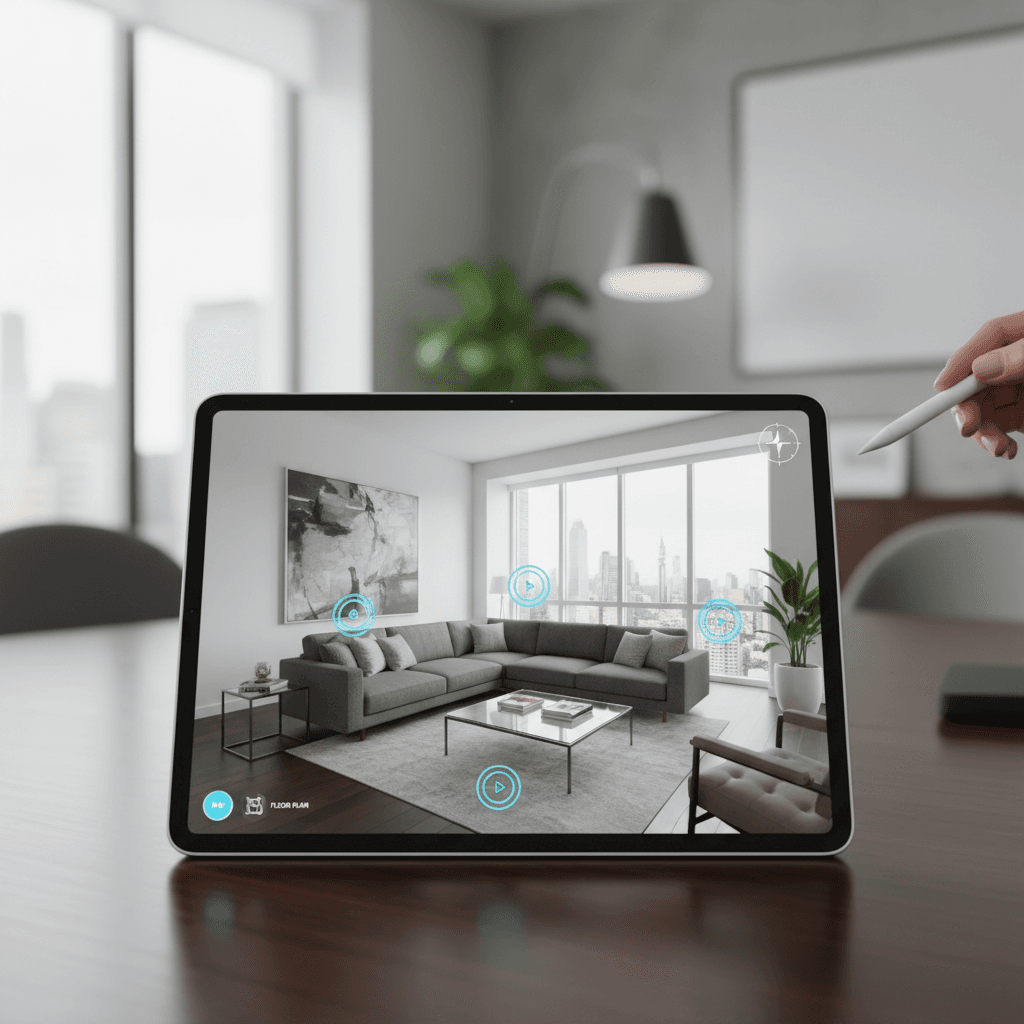
Do 3D Virtual Tours Help Sell Homes Faster?
In today's competitive real estate market, standing out and capturing buyer interest quickly is paramount. Traditional photos and descriptions are essential, but they often fall short in conveying the full spatial context and flow of a property. Real estate professionals are constantly seeking innovative ways to engage potential buyers and streamline the sales process, leading many to explore advanced visual tools.
The challenge lies in effectively showcasing a property's unique features and allowing buyers to envision themselves within the space before an in-person visit. This is where immersive technologies come into play, offering a solution that can significantly impact a listing's performance and speed.
Yes, 3D Virtual Tours Significantly Accelerate Home Sales.
3D virtual tours provide an immersive, interactive experience that allows potential buyers to digitally walk through a property from anywhere, at any time. By offering a comprehensive, 360-degree view of every room and the layout, these tours help buyers gain a deeper understanding and emotional connection to a home before ever stepping foot inside. This enhanced engagement translates directly into faster sales cycles and more qualified leads for real estate professionals.
Why This Matters for Real Estate Listings
Implementing 3D virtual tours can dramatically influence a property's market performance. Here's how:
- Increased Buyer Engagement: Buyers spend significantly more time on listings that feature virtual tours, often exploring multiple rooms and features. This deeper interaction fosters a stronger sense of connection to the property.
- Qualify Leads More Effectively: Buyers who engage with a virtual tour are typically more serious and pre-qualified. They've already explored the space, understand its layout, and are genuinely interested, reducing wasted showing time for agents.
- Broader Reach: Virtual tours eliminate geographical barriers, making properties accessible to out-of-town or international buyers who cannot physically visit. This expands the potential buyer pool considerably.
- Reduced Showing Time: By allowing buyers to conduct initial walkthroughs virtually, agents can focus in-person showings on truly interested parties, leading to more efficient scheduling and quicker decisions.
- Competitive Advantage: Listings with 3D tours stand out from competitors, signaling a modern, professional approach that appeals to tech-savvy buyers and reflects positively on the agent and seller.
Common Mistakes Agents Make
While the benefits are clear, some agents may not fully leverage 3D virtual tours or make errors that diminish their impact:
- Using Low-Quality, DIY Tours: Attempting to create a 3D tour with a smartphone often results in choppy visuals, poor lighting, and an unprofessional experience, which can deter buyers.
- Not Promoting the Tour: Simply having a tour isn't enough; agents must prominently feature it in the listing description, social media posts, and marketing materials to ensure buyers find and engage with it.
- Omitting Tours Entirely: Believing that high-quality photos alone are sufficient, some agents miss out on the unique immersive experience and lead qualification benefits that only 3D tours provide.
- Outdated or Clunky Technology: Utilizing older or less user-friendly virtual tour platforms can lead to a frustrating experience for buyers, reflecting poorly on the listing.
How Professionals Approach This Differently
Experienced real estate professionals understand that the quality of a 3D virtual tour is as important as its existence. They employ a strategic approach:
- High-Quality Capture Equipment: Professionals use specialized 3D cameras (like Matterport) to create seamless, high-resolution tours with accurate spatial data and consistent lighting.
- Expert Scanning and Processing: They follow meticulous scanning patterns to ensure no areas are missed and the transition between spaces is smooth and intuitive for the viewer. Post-processing enhances visual appeal.
- Integration with Floor Plans: Often, professional tours are accompanied by accurate 2D floor plans derived directly from the 3D scan, providing an essential spatial reference for buyers.
- Optimized for All Devices: Professional tours are designed to be responsive and easily accessible on desktops, tablets, and mobile phones, ensuring a consistent experience for all users.
- Strategic Placement and Marketing: Professionals ensure the tour is prominently displayed on MLS, brokerage websites, social media, and email campaigns, maximizing its visibility and impact.
FAQs
What's the difference between a 3D tour and a video tour?
A 3D virtual tour is interactive, allowing the viewer to navigate at their own pace and choose where to look. A video tour is a linear, pre-recorded walkthrough that the viewer watches passively.
How long does it take to create a 3D virtual tour?
On-site capture typically takes 1-3 hours, depending on the property's size and complexity. Processing and delivery often occur within 24-48 hours.
Can 3D tours be integrated with MLS listings?
Yes, most professional 3D virtual tours generate a shareable link (often called a “virtual tour link”) that can be seamlessly embedded into MLS listings and other marketing platforms.
Elevate your property listings and attract more qualified buyers by incorporating immersive visuals. Dooorbell specializes in creating high-quality 3D virtual tours and other visual content that helps real estate professionals showcase properties effectively and achieve faster sales.
Related Topics
Explore more insights on these related topics: