What is the ideal number of photos for a real estate listing?
When preparing a property for the market, one common question real estate professionals encounter is how many images are truly necessary to showcase a listing effectively. Providing too few photos can leave potential buyers with unanswered questions, while an excessive number might overwhelm them or diminish the impact of each individual shot.
Finding the right balance is crucial for generating interest and guiding potential clients through the property's key features without requiring an immediate physical visit. It's about creating a compelling visual narrative that accurately represents the home and encourages deeper engagement.
What is the ideal number of photos for a real estate listing?
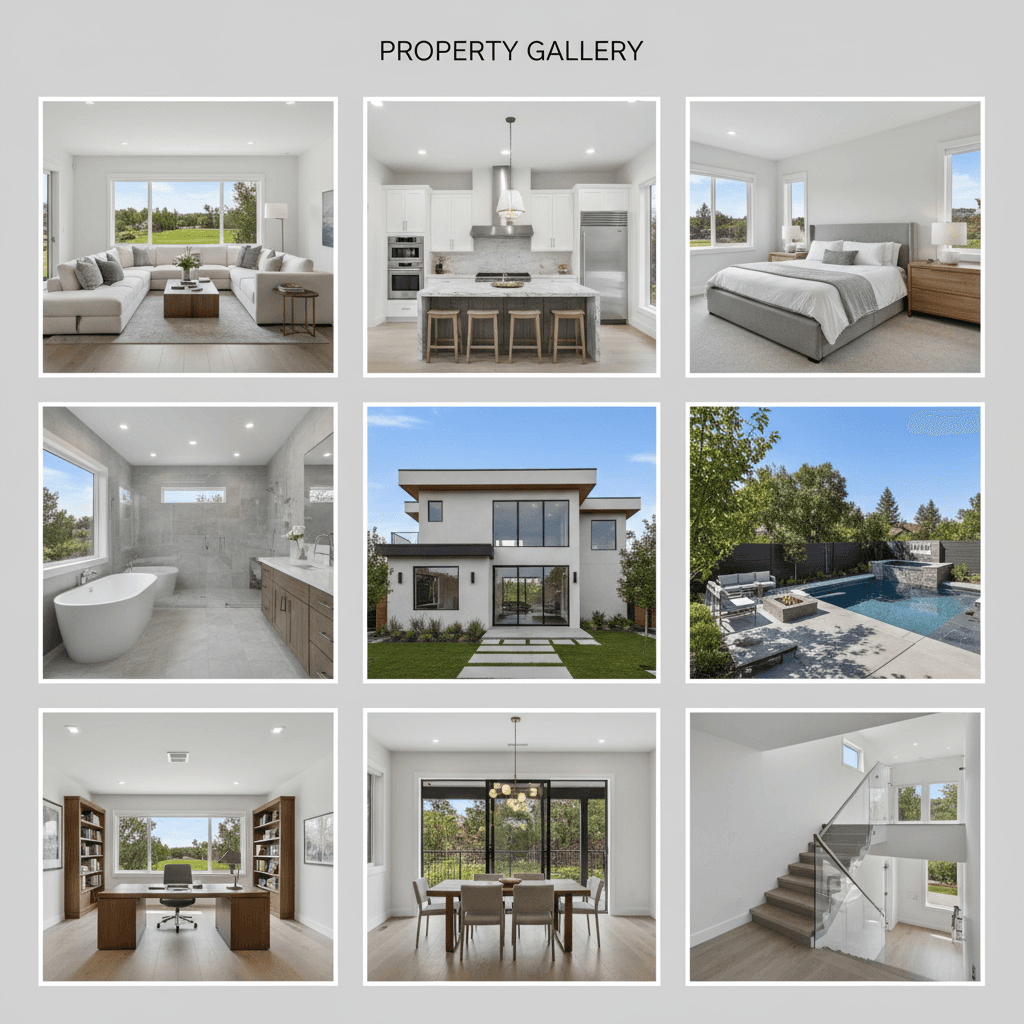
For a standard single-family home, the ideal number of photos for a real estate listing typically ranges from 25 to 40. This range allows for comprehensive coverage of all significant interior and exterior spaces, architectural details, and desirable features without becoming repetitive or overwhelming. Smaller properties, like condos or townhouses, might require fewer, perhaps 15-25, while larger luxury estates or commercial properties could warrant 50 or more to fully capture their scope.
The goal is to show every primary room (living room, kitchen, bedrooms, bathrooms) from multiple angles, highlight unique selling points, and give a clear sense of flow and space. This count includes capturing exterior shots, such as the front facade, backyard, and any notable landscaping or outdoor amenities.
Why this matters for real estate listings
The quantity and quality of photos directly impact a listing's performance and a potential buyer's decision-making process. A well-curated set of images serves several critical functions:
- Establishes First Impressions: Most buyers begin their search online. A comprehensive photo gallery forms their initial perception of the property, influencing whether they click for more information or schedule a showing.
- Increases Engagement: Listings with an appropriate number of high-quality photos tend to receive more views and longer engagement times, as buyers spend more time exploring the visuals.
- Qualifies Leads: Detailed photos help buyers self-qualify their interest. They can determine if the layout, features, and overall aesthetic align with their needs before an in-person visit, saving time for both agents and serious buyers.
- Justifies Asking Price: A thorough visual presentation helps justify the property's value by showcasing its best attributes and condition, giving buyers confidence in their investment.
- Reduces Redundancy: By providing a clear visual overview, agents can answer many common questions upfront, streamlining subsequent communications and property tours.
Common mistakes agents make
While understanding the importance of photography is key, several common errors can undermine a listing's visual impact:
- Too Few Photos: Omitting key rooms, specific features, or exterior views leaves buyers guessing and can deter them from investigating further.
- Too Many Repetitive Shots: Including multiple nearly identical photos from slightly different angles of the same room adds clutter without providing new information, leading to viewer fatigue.
- Low-Quality Imagery: Blurry, poorly lit, or unedited photos project an unprofessional image and make the property appear less appealing than it is.
- Ignoring Unique Selling Points: Failing to highlight specific features like a custom-built-in, renovated kitchen detail, or a desirable view misses opportunities to create excitement.
- Not Preparing the Property: Photos that include clutter, personal items, or poorly staged rooms distract from the property's potential and can make spaces seem smaller or less inviting.
How professionals approach this differently
Professional real estate photographers bring a strategic approach to capturing a property, moving beyond merely taking pictures to creating a visual story:
- Strategic Shot List: Professionals work with agents to create a comprehensive shot list, ensuring every important area and feature is covered without redundancy. They understand the ideal angles and compositions for each space.
- Optimal Equipment and Techniques: Utilizing high-resolution cameras, wide-angle lenses, and professional lighting equipment, they capture clear, bright images that accurately represent spatial dimensions and color.
- Expert Editing: Post-production is critical. Professionals meticulously edit photos for color correction, exposure, sharpness, and distortion, ensuring a polished and appealing final product.
- Focus on Flow and Lifestyle: Beyond individual rooms, they consider how photos collectively tell a story about living in the home, capturing the property's flow and potential lifestyle.
- Platform Optimization: Professionals understand the specific requirements and best practices for various listing platforms, ensuring images are correctly sized and formatted for optimal display.
Dooorbell specializes in crafting high-quality real estate visuals, ensuring every property is presented optimally to attract and engage potential buyers.
Related Topics
Explore more insights on these related topics: