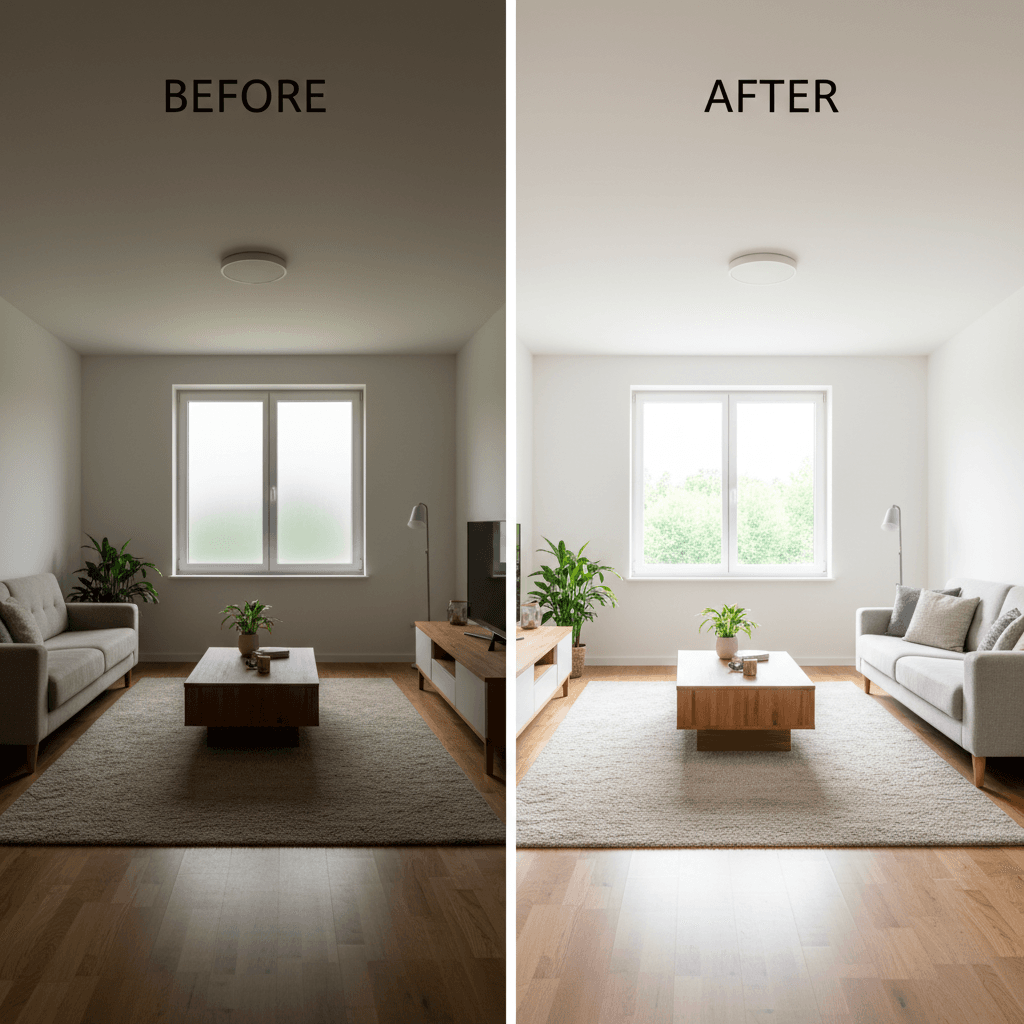
What is Real Estate Photo Retouching and Why is it Essential for Listings?
In the competitive real estate market, capturing a potential buyer's attention online is paramount. While a great photo shoot is the foundation, the raw images often don't represent a property's full potential. This is where professional real estate photo retouching becomes an indispensable step in presenting listings in their best light, literally and figuratively.
What Real Estate Photo Retouching Involves
Real estate photo retouching is the post-production process of enhancing raw photographs to improve their overall quality, appeal, and accuracy. It goes beyond simple exposure adjustments and involves a series of detailed edits designed to make a property look its most inviting and professional. This can include tasks such as:
- Color Correction and White Balance: Adjusting colors to appear natural and true-to-life, and correcting color casts caused by interior lighting.
- Exposure Blending: Combining multiple exposures to achieve a perfectly balanced image with detail in both highlights and shadows (similar to HDR but a broader term).
- Perspective Correction: Straightening vertical and horizontal lines to eliminate distortion, making rooms appear larger and more architecturally sound.
- Object Removal: Discreetly removing minor imperfections like dust, smudges, small stains, or even distracting objects from a scene.
- Sky Replacement/Enhancement: Replacing dull or overcast skies with vibrant, appealing ones to improve curb appeal.
- Green Grass Enhancement: Making lawns appear lush and healthy, especially in seasons where natural grass might be less vibrant.
- Window View Enhancement: Ensuring exterior views through windows are clear and appealing, rather than blown out or underexposed.
Why Professional Retouching Matters for Your Listings
High-quality, retouched images are not merely aesthetic improvements; they are powerful tools that directly impact a listing's performance and an agent's reputation. They play a critical role in:
- Creating a Strong First Impression: Online listings are often the first point of contact for potential buyers. Flawless, vibrant photos immediately grab attention and encourage further exploration.
- Enhancing Perceived Value: Professionally retouched images elevate a property's presentation, making it appear more desirable and well-maintained, which can subtly influence perceived value.
- Improving Online Engagement: Listings with superior imagery receive more clicks, longer viewing times, and higher inquiry rates. This increased engagement translates to more showings and faster sales or leases.
- Building Agent Credibility: Consistently presenting high-quality visuals demonstrates professionalism and attention to detail, bolstering an agent's brand and attracting more clients.
- Minimizing Time on Market: Properties showcased with exceptional photos tend to sell or lease more quickly, reducing carrying costs and freeing up agents for new opportunities.
Common Mistakes Agents Make with Photo Editing
While the temptation to quickly edit photos for a listing can be strong, several common mistakes can detract from a property's appeal and even mislead potential buyers:
- Over-editing: Applying excessive filters, saturation, or HDR effects that make the property look artificial or unrealistic. Authenticity is key.
- Under-editing: Publishing raw or minimally edited photos that still contain visible imperfections, poor lighting, or distracting elements.
- Inconsistent Quality: Mixing highly edited photos with unedited ones within the same listing or across an agent's portfolio, which creates a disjointed and unprofessional look.
- DIY Editing Without Expertise: Attempting complex retouching tasks without professional software or training, often leading to amateur results that do more harm than good.
- Misrepresentation: Altering images to fundamentally change the property's features (e.g., removing permanent fixtures, changing room dimensions), which can lead to legal issues and distrust.
How Professionals Approach Photo Retouching Differently
Professional real estate photographers and retouchers bring a combination of technical skill, artistic sensibility, and ethical understanding to the post-production process. Their approach ensures that images are not just enhanced, but remain truthful and effective:
- Advanced Software and Techniques: Utilizing industry-standard software and sophisticated techniques to achieve precise and natural-looking edits.
- Balance of Enhancement and Realism: Striking a delicate balance between making the property shine and maintaining its authentic appearance. The goal is to highlight, not to deceive.
- Consistency and Brand Standards: Adhering to strict quality control and consistency standards across all images for a cohesive and professional presentation.
- Ethical Guidelines: Operating within clear ethical boundaries, ensuring that all retouching enhances the property without misrepresenting its features or condition.
- Efficiency and Volume: Professionals are equipped to handle large volumes of images efficiently, delivering high-quality, retouched photos within tight deadlines.
What are the ethical limits of photo retouching in real estate?
Ethical limits dictate that retouching should enhance a property's appearance without misrepresenting facts. This means correcting lighting and minor imperfections is acceptable, but altering permanent features like removing power lines, changing paint colors, or adding non-existent landscaping is not.
Can retouching fix bad original photos?
While retouching can significantly improve photos, it cannot salvage extremely poor original shots (e.g., blurry, severely underexposed, or poorly composed). High-quality source images are always necessary for the best results.
Professionally retouched real estate photography is a critical investment for agents aiming to stand out. Dooorbell specializes in delivering stunning visuals that capture attention and compel buyers, ensuring every listing looks its absolute best.
Related Topics
Explore more insights on these related topics: