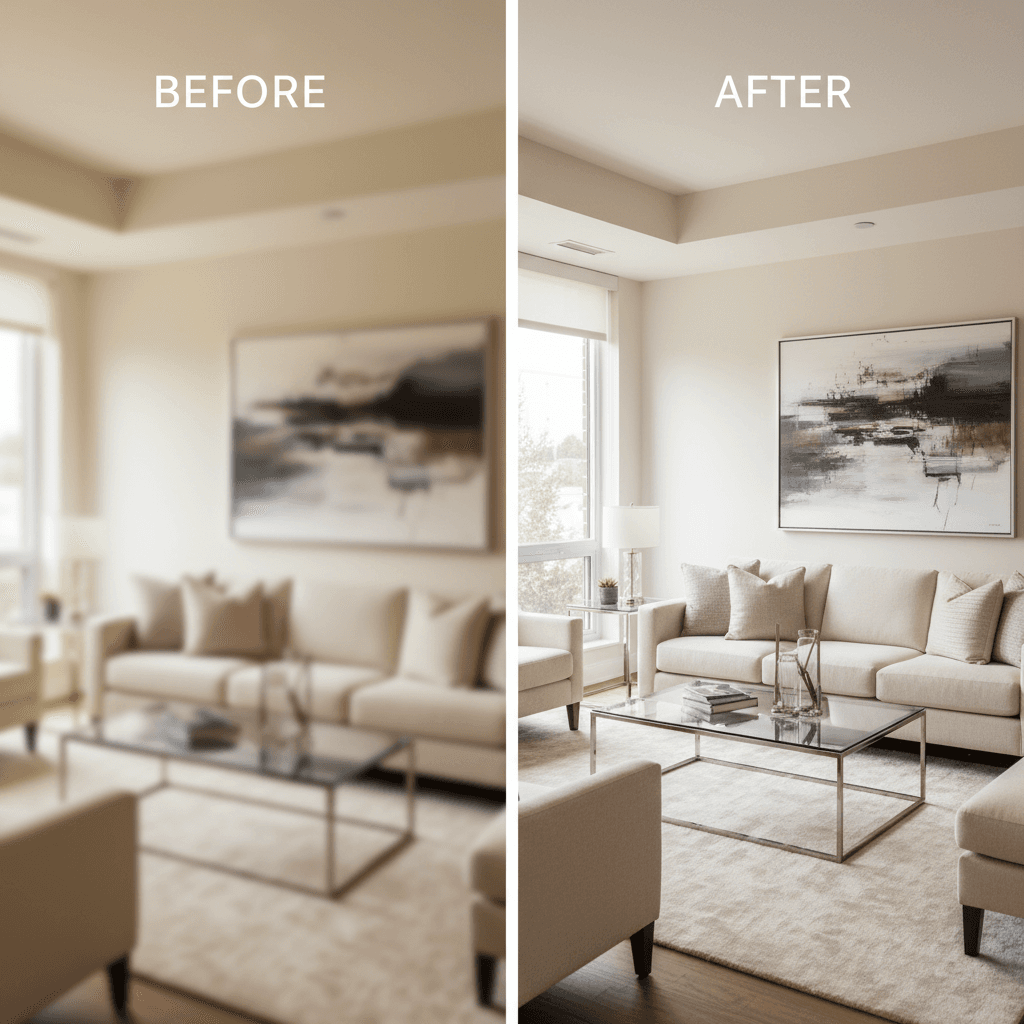
What are the Defining Characteristics of Truly Professional Real Estate Photography?
In today's competitive real estate market, high-quality visuals are not just a luxury but a necessity. While many real estate agents understand the importance of good photos, distinguishing truly professional real estate photography from a mediocre attempt can be challenging. It's more than simply a clear picture; it encompasses a blend of technical expertise, artistic vision, and a deep understanding of what prospective buyers and renters are looking for.
Identifying these core characteristics empowers real estate professionals to make informed decisions about their listing visuals and effectively communicate the value of the properties they represent. By recognizing the benchmarks of professional imagery, agents can ensure their listings consistently stand out and attract the right attention.
Direct Answer to the Question
Truly professional real estate photography is characterized by several key visual and technical elements. These include crisp clarity and sharpness throughout the image, accurate and consistent color representation, balanced exposure that captures detail in both highlights and shadows, and precise composition that highlights space and architectural features. Additionally, it involves the strategic use of natural and artificial light to create an inviting atmosphere, meticulous attention to detail to ensure rooms are clean and clutter-free, and consistent quality across the entire photo set.
Why This Matters for Real Estate Listings
These characteristics are crucial because they directly impact a listing's performance and a buyer's perception. Professional photos create a powerful first impression online, which is often where the buying journey begins. They elevate the perceived value of a property, suggesting quality and care from both the seller and the agent. High-quality visuals build trust and engage potential buyers for longer, encouraging them to envision themselves in the space. This enhanced engagement can lead to more inquiries, faster sales or leases, and ultimately, a better return on investment. For the real estate agent, consistently presenting listings with professional photography reinforces their brand as detail-oriented and committed to excellence.
Common Mistakes Agents Make
Real estate agents, in an effort to save time or cost, often inadvertently make mistakes that diminish a listing's visual appeal:
- Using Smartphone Photos Without Technique: While modern phones are capable, they often lack the wide-angle lenses, dynamic range, and manual controls necessary for professional real estate shots, leading to distortion or poor lighting.
- Poor Lighting: Images that are too dark, overexposed, or plagued by harsh shadows make rooms feel uninviting and small.
- Inconsistent White Balance: Different light sources can create color casts (e.g., yellowish indoor light, bluish window light), making colors look unnatural or inconsistent from room to room.
- Cluttered or Un-staged Rooms: Photos of messy or unorganized spaces detract from the property's potential and make it difficult for buyers to visualize themselves living there.
- Distorted Wide-Angle Shots: Improper use of wide-angle lenses can lead to a "fish-eye" effect, distorting rooms and making them appear unrealistic.
- Lack of Variety: Only showing one angle per room or failing to capture unique selling points can leave buyers with an incomplete picture.
- Blurry or Out-of-Focus Images: Technical errors like motion blur or incorrect focus instantly undermine professionalism.
How Professionals Approach This Differently
Professional real estate photographers bring a specialized skill set and equipment to every shoot, ensuring these common mistakes are avoided and superior results are achieved:
- Specialized Equipment: They use high-end DSLR or mirrorless cameras, a range of wide-angle and prime lenses, tripods for stability, and sophisticated external lighting equipment.
- Technical Mastery: Professionals have a deep understanding of photographic principles, including the exposure triangle (aperture, shutter speed, ISO), white balance, and depth of field, enabling them to adapt to any lighting condition.
- Lighting Expertise: They expertly blend natural light with supplemental flashes or strobes, often employing techniques like HDR (High Dynamic Range) bracketing to capture full detail from the brightest windows to the darkest corners.
- Compositional Skill: Professionals strategically frame shots to highlight space, architectural details, and flow. They use leading lines, the rule of thirds, and other compositional techniques to create visually appealing and informative images.
- Advanced Post-Production Workflow: Beyond the camera, professional editing includes meticulous color correction, sharpening, perspective correction (to ensure vertical lines are straight), and removal of minor distractions, all while maintaining realism.
- Attention to Detail: They guide home preparation, noticing and addressing small details like crooked rugs or stray items that might detract from the shot.
- Consistency: A professional delivers a cohesive set of images, ensuring uniform quality, color, and style across all photographs, which tells a unified story about the property.
Understanding these characteristics can guide agents in evaluating their visual marketing strategies and selecting partners who can consistently deliver images that meet these high standards. For consistent, high-quality visuals that meet professional benchmarks, consider partnering with experts like Dooorbell who specialize in real estate photography and visual content.
Related Topics
Explore more insights on these related topics: