What Are the Ethical Considerations for Photo Editing in Real Estate Listings?
In the competitive real estate market, high-quality visuals are paramount for attracting potential buyers and renters. Digital photo editing has become a standard practice to enhance property images, making them more appealing. However, this process also introduces a critical question: how far is too far? Balancing artistic enhancement with truthful representation is key to maintaining trust and professional integrity.
Balancing Enhancement and Accuracy
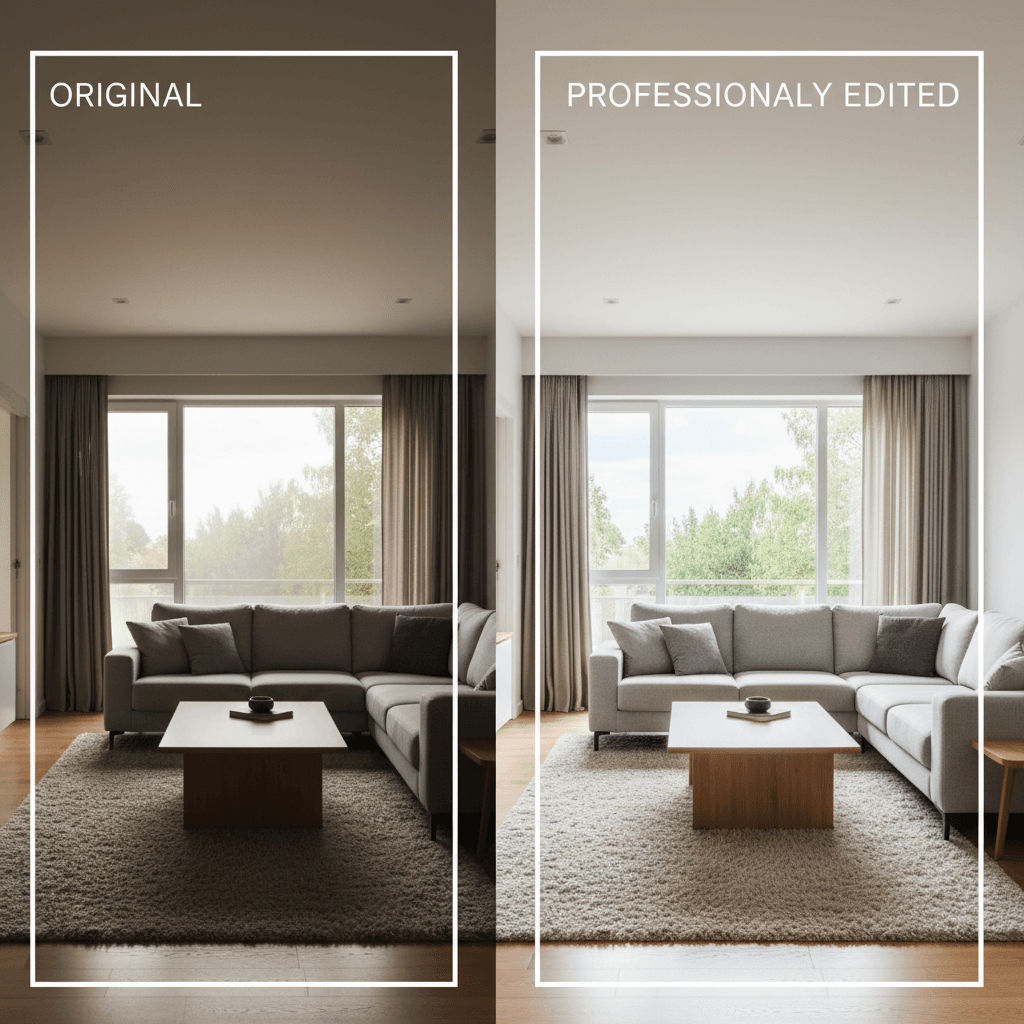
Ethical real estate photo editing primarily focuses on showcasing a property in its best light without misrepresenting its true condition or features. This means correcting elements like lighting, color balance, and lens distortion to reflect how the property would appear in ideal viewing conditions. It consciously avoids altering permanent structural elements, removing existing flaws, or adding features that are not genuinely present. The core principle is to present a polished, yet accurate, depiction that sets realistic expectations for viewers.
Why This Matters for Real Estate Listings
Adhering to ethical editing standards is crucial for several reasons that directly impact real estate transactions and an agent's reputation.
- Builds Trust: Accurate photos foster trust with potential buyers or tenants. When a property looks as good in person as it does online, it validates their interest and builds confidence in the agent and the listing.
- Avoids Legal Issues and Complaints: Misleading photography can lead to buyer dissatisfaction, formal complaints, or even legal disputes. Discrepancies between advertised images and reality can be perceived as misrepresentation, creating significant liabilities.
- Sets Realistic Expectations: Providing a true representation, even with enhancements, reduces wasted viewings by unqualified or disappointed prospects. Buyers who arrive expecting one thing and seeing another are less likely to proceed and more likely to leave frustrated.
- Upholds Professional Reputation: For real estate agents and brokers, ethical practices in all aspects, including visual marketing, are fundamental to maintaining a strong, credible professional brand in the industry. Your reputation for honesty and integrity directly influences client referrals and long-term success.
Common Editing Mistakes Agents Make (or Encourage)
While the intention might be to improve a listing's appeal, certain editing practices cross the line from enhancement to misrepresentation. Some common ethical pitfalls include:
- Removing Permanent Fixtures: Digitally erasing undesirable, but permanent, elements like utility poles, power lines, or an unsightly water heater from the exterior or interior.
- Adding Non-Existent Features: Including lush green grass where the lawn is actually dry, adding trees where there are none, or digitally installing amenities not present on the property.
- Drastically Altering Colors: Changing the color of walls, flooring, or exterior elements to a different shade than what is actually present, especially when it significantly changes the property's aesthetic.
- Falsifying Views or Structural Elements: Widening rooms to make them appear larger, removing cracks in walls, or fabricating views outside windows.
- Hiding Significant Defects: Purposely masking or editing out obvious structural damage, mold, water stains, or other material defects that a buyer should be aware of.
How Professionals Approach Ethical Editing Differently
Professional real estate photographers and editors operate with a clear understanding of the line between enhancement and deception. Their approach prioritizes natural beauty and accurate representation.
- Focus on Natural Enhancements: Professionals use techniques like color correction, exposure blending (e.g., HDR), and lens distortion correction to make images appear vibrant and true-to-life, rather than artificial. They may remove temporary clutter like trash cans or vehicles, but not permanent fixtures.
- Capture Dynamic Range Accurately: Utilizing advanced camera settings and post-processing, they ensure that both bright windows and shadowy interiors are well-exposed without losing detail, mimicking what the human eye perceives more closely.
- Maintain Structural Integrity: Experts ensure that walls remain straight, rooms retain their actual dimensions, and architectural details are preserved, providing an honest visual representation of the property's structure.
- Transparent Communication: A professional photographer will discuss what can and cannot be ethically edited, ensuring that the agent understands the boundaries and implications of image manipulation.
- Expertise in Tools: With specialized software and skills, professionals can achieve a polished, magazine-quality look that accurately reflects the property's appeal without resorting to deceptive practices.
Dooorbells understands the importance of presenting listings both beautifully and truthfully. Our professional photographers and editors are committed to ethical practices, ensuring your property shines while maintaining integrity and fostering trust with potential buyers.
Related Topics
Explore more insights on these related topics: