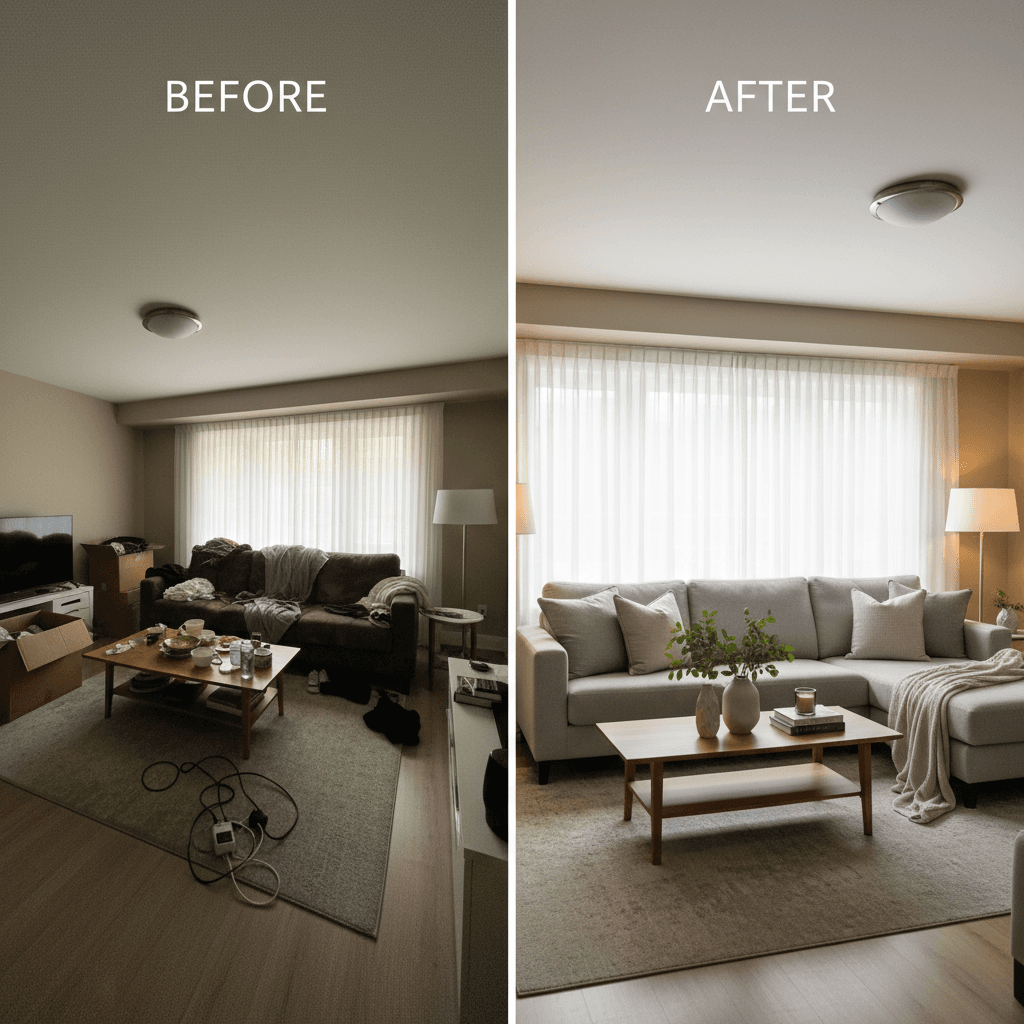
How Do Poor Quality Real Estate Photos Affect Listing Performance?
In today's competitive real estate market, a property's online presentation is paramount. Many agents, brokers, and property managers find themselves struggling to generate interest or secure offers, often overlooking the fundamental impact of their listing photos. While a strong marketing strategy is crucial, even the best efforts can be undermined by visuals that fail to engage or accurately represent a property.
Poor Quality Photos Significantly Deter Potential Buyers
Poor quality real estate photos have a direct and negative impact on listing performance. They create an unfavorable first impression, deterring potential buyers, slowing down sales or leasing cycles, reducing the perceived value of a property, and ultimately, harming an agent's professional reputation. In an online-first world, a bad photo essentially means a potential buyer won't click to see more, leading to fewer inquiries and lost opportunities.
Why This Matters for Real Estate Listings
The visual elements of a listing are not merely supplementary; they are foundational to its success. Here's why the quality of your photos directly impacts your listing's performance:
- First Impressions are Everything: For most properties, the first showing happens online. Low-quality photos instantly communicate a lack of attention to detail or suggest that the property itself is not worth a closer look, even if it is a desirable home. This leads to a quick scroll-past by prospective buyers or tenants.
- Perceived Value: The human brain quickly associates visual quality with inherent value. Blurry, dark, or poorly composed photos can inadvertently make a property appear less valuable, smaller, or less appealing than it truly is, potentially leading to lower offers or a longer time on the market.
- Time on Market (DOM): Listings with inferior photography often languish on the market longer. Fewer initial inquiries mean fewer showings, and a prolonged listing period can signal issues with the property to astute buyers, further complicating negotiations.
- Agent and Brokerage Reputation: A collection of subpar listing photos reflects directly on the agent or brokerage. It can suggest a lack of professionalism, commitment, or understanding of effective marketing strategies, eroding trust and potentially impacting future client acquisition.
- Online Engagement and Visibility: Real estate portals and social media algorithms favor listings with high-quality, engaging visuals. Poor photos can result in lower click-through rates and less overall engagement, potentially leading to reduced visibility within these platforms' search results.
Common Mistakes Agents Make
While real estate professionals excel in sales and negotiation, photography often falls outside their core expertise. Common photographic missteps include:
- Using Smartphone Photos Without Enhancement: While convenient, smartphone cameras, without professional editing or technique, often struggle with the dynamic range and wide angles needed for interior spaces.
- Inadequate Lighting: Too dark, too bright, or harsh shadows from direct flash can obscure details and create an uninviting atmosphere.
- Cluttered or Unprepared Spaces: Photos taken of rooms that are messy, uncleaned, or contain personal items distract from the property's features.
- Poor Composition and Angles: Shots that cut off rooms awkwardly, use distorted wide-angle lenses excessively, or fail to highlight key selling points diminish the space.
- Inconsistent Quality: A mix of good and bad photos within the same listing creates an uneven experience and undermines the overall presentation.
How Professionals Approach This Differently
Professional real estate photographers understand the nuances of visual marketing and employ specific strategies to ensure every listing shines:
- Specialized Equipment and Expertise: Professionals use high-end DSLR or mirrorless cameras, wide-angle lenses, external lighting, and tripods specifically chosen to capture architectural spaces accurately and attractively. Their expertise in composition, light, and perspective is invaluable.
- Strategic Staging and Preparation: While not always full staging, professionals guide agents and homeowners on how to best prepare each room, suggesting decluttering, minor adjustments, and ensuring the property is photo-ready.
- Optimal Lighting Techniques: They use advanced lighting techniques, including ambient light blending with flash, to create balanced exposures that showcase details without harsh shadows or blown-out highlights.
- Purposeful Composition: Every shot is carefully framed to highlight the property's best features, emphasize space, and create an appealing flow through the home, guiding the viewer's eye.
- Expert Post-Production: Professional editing involves color correction, exposure adjustment, lens distortion correction, and sky replacements, ensuring images are vibrant, accurate, and appealing without artificiality.
Ensuring your listings feature compelling, high-quality visuals is a critical step in today's digital real estate landscape. Investing in professional photography significantly enhances your property's appeal and performance.
At Dooorbell, we partner with real estate agents, brokers, and property managers to provide exceptional real estate photography, virtual staging, and other visual solutions that ensure your listings stand out and attract the right attention.
Related Topics
Explore more insights on these related topics: