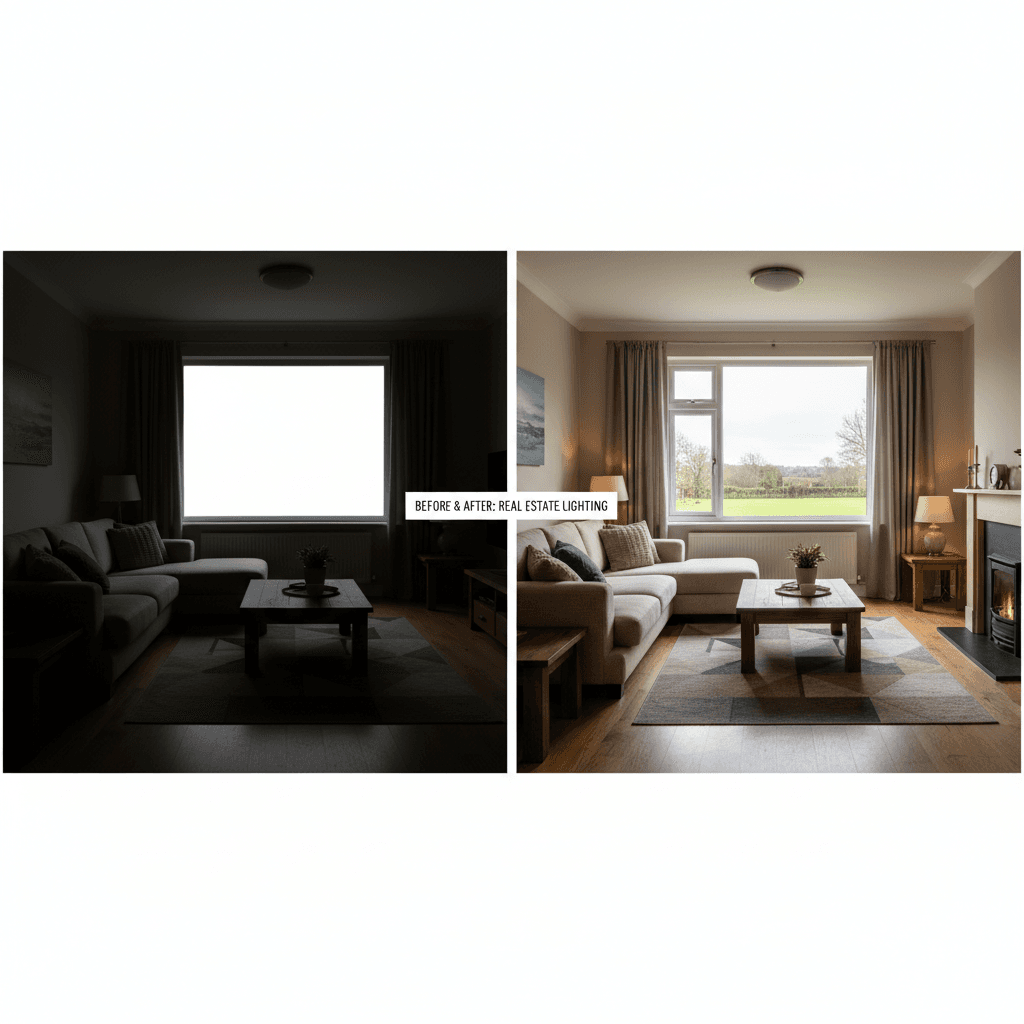
How important is professional lighting in real estate photography?
Real estate agents, brokers, and property managers understand that high-quality photographs are crucial for attracting potential buyers and renters. However, many overlook a fundamental element that distinguishes average listing photos from exceptional ones: professional lighting. Effective lighting techniques are not just about making a space bright; they're about revealing its true character, appeal, and perceived value to viewers online.
Professional lighting is critical for accurate and appealing representation
Professional lighting is paramount in real estate photography because it allows for the accurate and appealing depiction of a property's features, textures, and ambiance. Without proper lighting, rooms can appear dark, cramped, or misrepresented, diminishing their perceived value online. It ensures that colors are true-to-life, shadows are controlled, and every architectural detail is highlighted effectively. This precision creates images that invite closer inspection and accurately convey the property's feel to potential buyers, significantly impacting their first impression and engagement with the listing.
Why professional lighting matters for real estate listings
The impact of professional lighting extends directly to a listing's performance and buyer perception in several key ways:
- Enhances Perceived Value: Well-lit spaces appear larger, cleaner, and more luxurious, increasing the property's perceived value even before a physical showing. This can justify a higher asking price and attract a more serious buyer pool.
- Accurate Representation: Proper lighting prevents rooms from looking artificially bright or gloomy. It ensures that what a potential buyer sees online closely matches reality, which can reduce surprises during showings and improve buyer satisfaction.
- Highlights Key Features: Strategic lighting can draw attention to desirable architectural details, high-end finishes, or unique selling points of a property, guiding the viewer's eye through the space and emphasizing its best attributes.
- Creates Emotional Connection: Lighting plays a significant role in setting the mood of a photograph. Warm, inviting light can make a home feel cozy and welcoming, fostering an emotional connection with prospective buyers and helping them envision themselves in the space.
- Improves Online Engagement: Listings with professionally lit photos stand out in crowded online marketplaces, attracting more clicks, longer viewing times, and ultimately, more inquiries. Conversely, poorly lit photos often lead to prospects scrolling past, reducing visibility and interest.
Common lighting mistakes agents (and inexperienced photographers) make
Many agents, or photographers lacking specialized real estate experience, often make common lighting errors that detract significantly from a listing's quality:
- Relying Solely on Ambient Light: While natural light is valuable, relying on it alone often results in uneven exposure, harsh shadows, or blown-out windows, where the view outside is completely white and lacks detail.
- Incorrect White Balance: Failing to correct white balance can lead to photos having an unnatural color cast (e.g., too yellow from incandescent bulbs, too blue from daylight), distorting the true colors of walls, floors, and finishes.
- Mixing Light Sources Poorly: Using a mix of natural light, overhead fixtures, and flash without proper balancing can create conflicting color temperatures, distracting hot spots, or unnatural shadows that detract from the image.
- Ignoring Shadow Control: Uncontrolled or harsh shadows can obscure details, make rooms feel smaller and less inviting, and create an unappealing atmosphere.
- Under- or Overexposure: Rooms that are too dark hide crucial details and appear uninviting, while overexposed areas lose texture and information, particularly in bright areas or through windows.
How professionals approach lighting differently
Professional real estate photographers view lighting as a sophisticated tool to sculpt and define a space, not just illuminate it. Their approach involves a deep understanding and precise application of various techniques:
- Advanced Equipment: They utilize external flashes, strobes, LED panels, and light modifiers (such as softboxes or umbrellas) to create controlled, soft, and even illumination that complements and enhances natural light.
- Light Blending Techniques: Professionals often capture multiple exposures for a single shot—one for the ambient light, one for the window view, and several with controlled flash —then meticulously blend these exposures in post-production. This ensures every part of the scene, from the darkest corner to the brightest window, is perfectly exposed and detailed.
- Strategic Light Placement: Instead of just pointing a flash, they strategically position lights to bounce off walls or ceilings, diffusing the light for a softer, more natural look that fills the room without creating harsh shadows.
- Color Temperature Correction: They meticulously adjust white balance during shooting and post-processing to ensure all light sources in a scene contribute to a consistent and accurate color rendition, representing the true colors of the property.
- Highlighting and Shadow Management: Professionals understand how to use light to highlight architectural features and manage shadows to add depth and dimension without obscuring important details. They can even create a sense of natural light in rooms that are inherently dark.
Understanding the nuances of professional lighting is just one aspect of creating compelling real estate visuals. Dooorbell provides expert real estate photography services, ensuring every listing shines with optimal lighting and composition to capture a property's best features and attract qualified prospects.
Related Topics
Explore more insights on these related topics: