How Does Professional Photography Differ for Commercial Real Estate Listings Compared to Residential?
Real estate photography is crucial for attracting buyers and tenants, but the approach isn't one-size-fits-all. While both residential and commercial properties benefit from high-quality visuals, the objectives and techniques involved in photographing them diverge significantly. Understanding these differences is key for agents and brokers aiming to market their diverse portfolios effectively.
Direct Answer to the Question
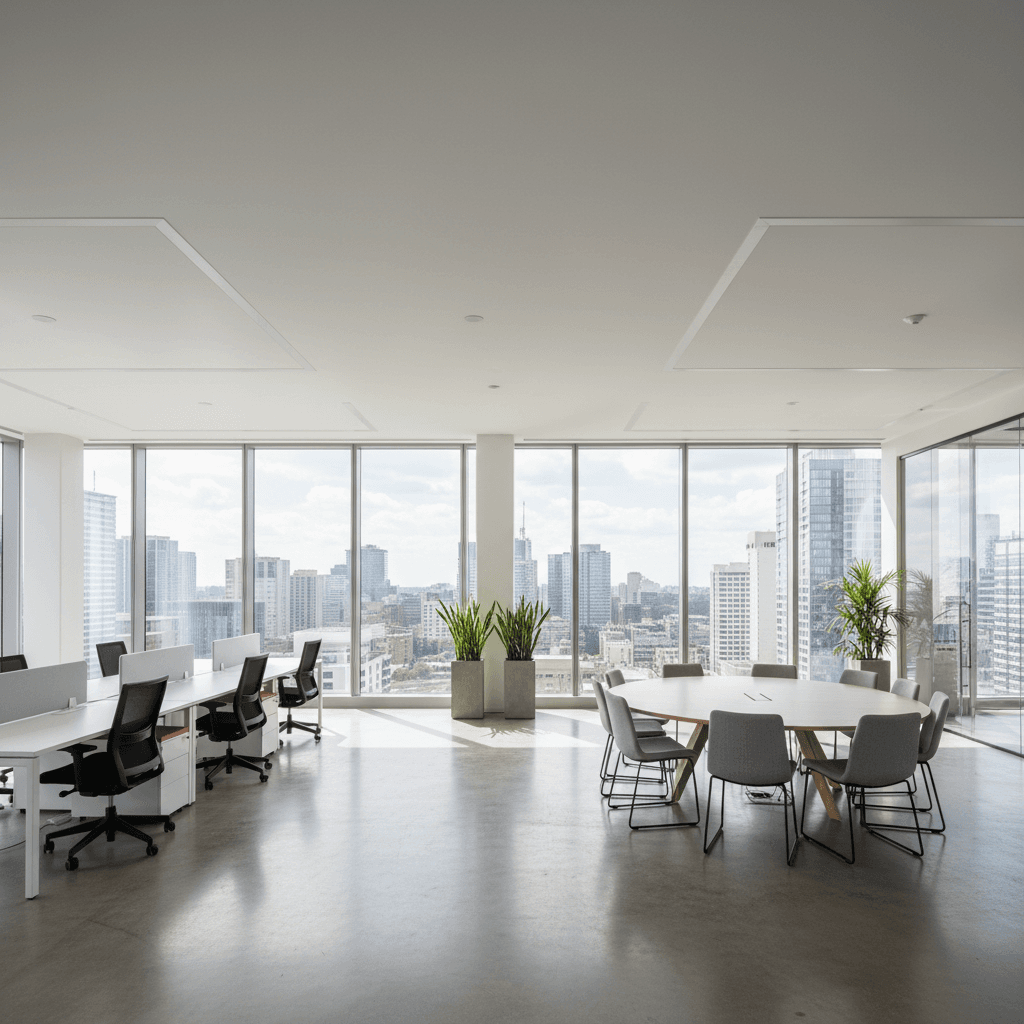
Professional photography for commercial real estate listings differs from residential photography primarily in its focus, composition, and the specific features emphasized. Commercial photography often prioritizes functionality, scale, potential for revenue generation, and a property's suitability for specific business operations. In contrast, residential photography aims to evoke an emotional connection, highlight lifestyle, and showcase personal living spaces. Commercial shoots typically involve capturing expansive spaces, specialized equipment, infrastructure, and an overall sense of professional utility rather than domestic comfort.
Why This Matters for Real Estate Listings
The distinctions between commercial and residential photography directly impact how quickly and effectively a property is leased or sold. For commercial properties, inadequate visuals can fail to convey critical information about a space's capacity, accessibility, or industrial features, leading to missed opportunities with potential business clients. A poorly photographed office building might not highlight its modern amenities or collaborative spaces, while a retail unit might not showcase its foot traffic potential or display windows. Highlighting the right elements through professional commercial photography ensures that potential tenants or buyers can visualize their business operating within the space, accelerating decision-making and attracting the right clientele.
Common Mistakes Agents Make
Real estate agents often make several key mistakes when marketing commercial properties visually:
- Using Residential Photography Techniques: Applying the same soft, lifestyle-focused approach suitable for homes to commercial spaces misses the mark. Commercial buyers and tenants look for practical information, not emotional appeal.
- Failing to Capture Scale and Scope: Commercial properties are often much larger or have unique layouts. Not using wide-angle shots or drone photography to convey the full scale can be detrimental.
- Ignoring Key Commercial Features: Forgetting to photograph loading docks, specialized wiring, ample parking, conference rooms, or specific zoning indicators can hide crucial selling points.
- Poor Lighting and Ambience: Commercial spaces often require specialized lighting to look professional and inviting. Relying on natural light alone, or not balancing interior/exterior light, can make spaces look dark or unappealing.
- Lack of Context: Not showing the property's relationship to nearby amenities, major roadways, or other businesses, especially for retail or industrial, can be a missed opportunity.
How Professionals Approach This Differently
Professional real estate photographers understand the unique demands of commercial listings. They:
- Focus on Functionality and Utility: Shots are composed to emphasize practical aspects like square footage, ceiling height, layout flexibility, and infrastructure (e.g., power outlets, network cabling, access points).
- Utilize Specialized Equipment: This includes ultra-wide lenses for vast interiors, drone photography for aerial views of large complexes and parking lots, and advanced lighting setups to properly illuminate industrial or large office spaces.
- Highlight Unique Commercial Features: Professionals make sure to capture specific selling points relevant to businesses, such as loading bays, storefront visibility, office layouts, manufacturing floors, or specific zoning features.
- Show Context and Location: Beyond just the building, professional commercial photography often includes images that show the property's proximity to roads, public transport, or other relevant businesses, providing valuable location context.
- Understand Target Audience Needs: A photographer experienced in commercial real estate knows what aspects a retail tenant, industrial operator, or office manager will look for, tailoring the shoot to those specific needs.
To ensure your commercial real estate listings stand out and effectively communicate their unique value to prospective businesses, consider partnering with a professional photography service that specializes in the distinct requirements of commercial properties. Dooorbell offers expert real estate photography services tailored to showcase every property's potential.
Related Topics
Explore more insights on these related topics: