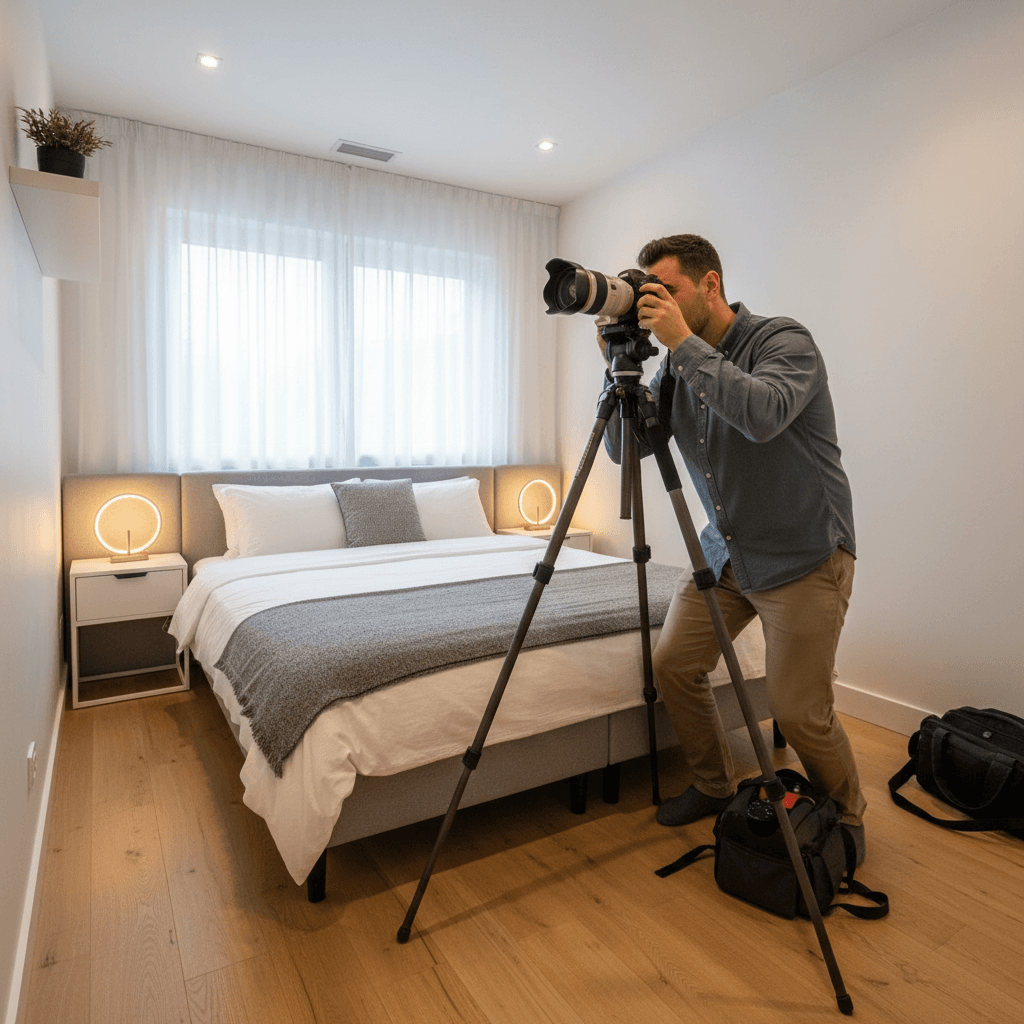
How Do You Effectively Photograph Small Rooms in Real Estate Listings?
Small rooms can often present a significant challenge when it comes to real estate photography. They can easily appear cramped, dark, or uninviting in photos, potentially deterring prospective buyers or renters before they even step foot in the property. However, with the right techniques, even the most compact spaces can be showcased in a way that highlights their potential and makes them feel more open and appealing.
Direct Answer: Optimizing Small Spaces for Photography
Effectively photographing small rooms in real estate involves a strategic combination of wide-angle lenses, deliberate staging, abundant lighting, and precise camera angles. The goal is to maximize the perceived space, highlight key features, and create an inviting atmosphere. This often means shooting from corners to capture as much of the room as possible, utilizing natural light wherever available, and employing supplemental lighting to brighten dark areas. Careful decluttering and minimalist staging are also crucial to avoid overwhelming the space.
Why This Matters for Real Estate Listings
The way small rooms are presented in real estate listings directly impacts buyer perception and engagement. If a small bedroom, bathroom, or kitchen appears minuscule or claustrophobic in photos, it can quickly lead potential buyers to dismiss the property entirely. Conversely, well-executed photography can transform these areas, making them seem more spacious and functional, thereby attracting more interest and encouraging viewings. Accurate, yet appealing, visual representation helps manage expectations while still showcasing the property's best attributes, ultimately contributing to faster sales or leasing speeds and a stronger overall listing performance.
Common Mistakes Agents Make
Real estate agents often encounter specific pitfalls when attempting to photograph small rooms themselves, which can undermine a listing's appeal:
- Using Standard Lenses: A typical phone camera or standard DSLR lens often doesn't capture enough of the room, resulting in a confined,
Related Topics
Explore more insights on these related topics: