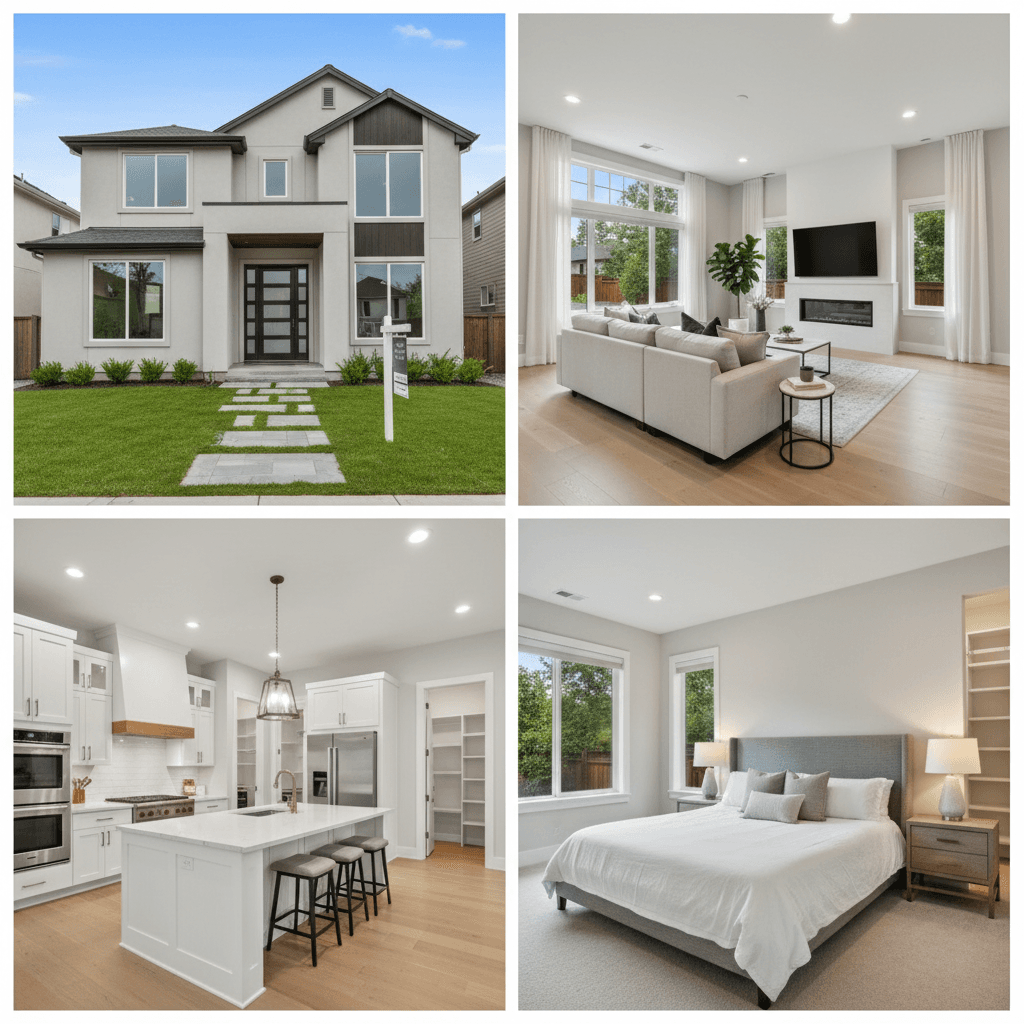
How Does the Order of Real Estate Photos Impact Buyer Interest?
In the competitive real estate market, captivating potential buyers online is paramount. While individual high-quality images are crucial, the sequence in which these photos are presented plays an equally significant, yet often overlooked, role. The order of your listing photos dictates the visual journey a prospective buyer takes, shaping their initial perception and engagement with a property.
A thoughtfully arranged photo gallery can tell a compelling story, guide the viewer through the home's best features, and establish an emotional connection before they even step foot inside. Conversely, a haphazard collection of images can confuse, disinterest, or even misrepresent a property, causing potential buyers to quickly move on.
The Direct Impact of Photo Sequence
The order of real estate photos directly impacts buyer interest by creating a narrative and influencing their perception of the property's flow and appeal. By strategically arranging images, agents can control the visual experience, ensuring that the most impactful features are highlighted early and that a logical, intuitive progression through the home is maintained. This approach helps potential buyers mentally visualize themselves in the space, fostering deeper engagement than a random assortment of shots.
Why Strategic Photo Order Matters for Listings
Strategic photo sequencing isn't just about aesthetics; it's a powerful tool for enhancing listing performance and influencing buyer psychology. When photos are ordered effectively:
- Increased Engagement: A clear visual narrative encourages longer viewing times on listing platforms. Buyers spend more time exploring a property that makes sense visually.
- Stronger First Impressions: The first few photos are critical. Starting with a "hero" shot (e.g., stunning exterior, grand living room, or a unique selling proposition) immediately grabs attention and sets a positive tone for the rest of the gallery.
- Improved Perceived Value: Guiding buyers through the best features in a logical order can subconsciously elevate their perception of the property's overall value and desirability.
- More Qualified Leads: Buyers who engage deeply with a well-structured photo tour are often more serious and better informed when they inquire, leading to more productive showings.
- Emotional Connection: A story-driven sequence allows buyers to imagine living in the home, creating an emotional bond that goes beyond mere architectural details.
Common Mistakes Agents Make with Photo Order
Even with professional photography, poor photo sequencing can undermine a listing's potential. Some common mistakes include:
- Random Placement: Uploading photos in the order they were taken or without any thought to flow, often leading to a confusing jumble of interior and exterior shots.
- Starting Weak: Beginning the gallery with an uninspiring shot, such as a garage interior, a small bathroom, or an obscure detail, which fails to capture immediate interest.
- Inconsistent Flow: Jumping erratically between different rooms or angles, making it difficult for viewers to understand the property's layout.
- Too Many Similar Angles: Including multiple shots of the same room from slightly different perspectives, leading to visual fatigue and redundancy.
- Saving the Best for Last: Placing the property's most impressive features (e.g., panoramic views, gourmet kitchen) deep within the gallery, where many viewers might not reach them.
How Professionals Approach Photo Sequencing
Professional real estate photographers and marketing experts adopt a structured approach to photo sequencing, treating the gallery as a virtual tour designed to maximize impact:
- The "Hero" Shot First: Always start with the property's absolute best, most appealing image – typically the front exterior, a stunning key living area, or a unique feature that immediately differentiates it.
- Establish Layout and Flow: Following the hero shot, move through the main living areas in a natural, logical progression, mimicking how one would walk through the home. This might involve exterior views, then living room, kitchen, dining room, master bedroom, other bedrooms, bathrooms, and finally, unique features or amenities.
- Highlight Key Features Strategically: Showcase standout elements (e.g., updated kitchen, luxurious bathroom, expansive backyard) at opportune moments within the narrative to maintain interest.
- Tell a Story: Each photo should build upon the last, creating a cohesive visual story that highlights the property's unique lifestyle proposition.
- End with an Impression: Conclude the gallery with another strong image, perhaps an appealing exterior shot from a different angle, a vibrant twilight scene, or a captivating detail that leaves a lasting positive impression.
At Dooorbell, we understand that exceptional real estate visuals go beyond individual photos. Our comprehensive services include strategic guidance to ensure your listing's photo gallery tells the most compelling story, captivating buyers from the very first click.
FAQs
What is the ideal first photo for a real estate listing?
The ideal first photo, often called the "hero shot," should be the most impactful image of the property. This is typically the exterior front shot, especially if it offers strong curb appeal, or an incredibly captivating interior shot of a main living space, especially for high-rise condos or unique properties.
How many photos should be in a real estate listing gallery?
While there's no strict rule, most successful listings benefit from 20-40 high-quality photos. This allows for comprehensive coverage without overwhelming the viewer. The key is quality and relevance over sheer quantity.
Should floor plans be included with photos?
Yes, floor plans are highly beneficial. While not a photo, integrating them into your visual presentation (often after the main living areas and before bedrooms/bathrooms, or as a distinct section) helps buyers understand the layout and flow in a way photos alone cannot.
Related Topics
Explore more insights on these related topics: