How Do Real Estate Photos Psychologically Influence Potential Buyers?
Real estate isn't just about square footage and location; it's also about emotion. Before a potential buyer even steps foot in a property, their perception is largely shaped by the listing photos. These initial visual impressions do more than just showcase a home's features; they tap into deeper psychological processes that can significantly impact a buyer's interest and decision-making.
Direct Answer to the Question
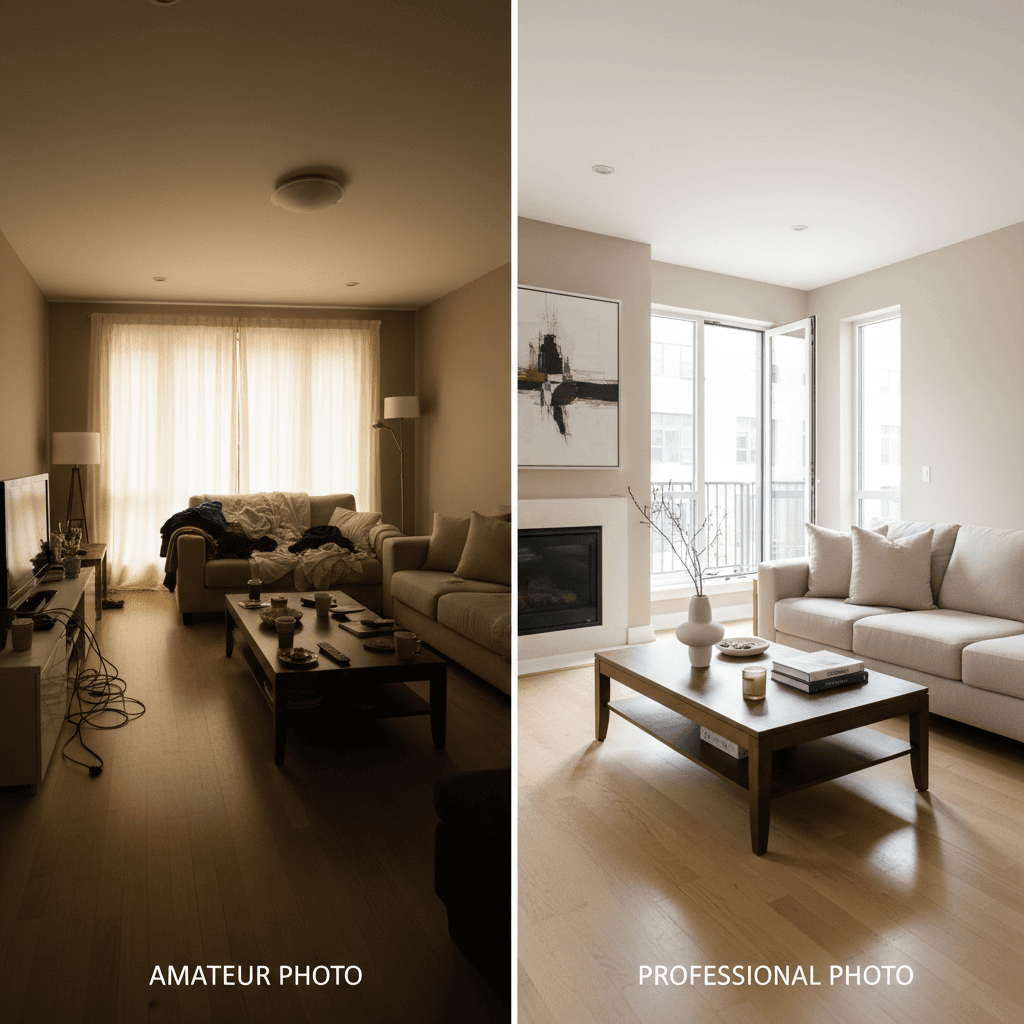
Real estate photos influence potential buyers by activating emotional responses, creating a sense of desire, establishing perceived value, and building trust. High-quality visuals engage the brain's reward system, making a property seem more appealing and desirable. They allow buyers to mentally "move in," envisioning their future in the space, which is a powerful psychological driver. Conversely, poor-quality photos can trigger negative associations, communicate a lack of care, and lead to immediate disinterest.
Why this matters for real estate listings
- First Impressions & Engagement: In a crowded online marketplace, photos are the gatekeepers. Buyers scroll quickly, and a captivating image stops them. Psychology suggests we make snap judgments; a visually appealing listing gets more clicks, longer viewing times, and higher engagement rates.
- Emotional Connection: Homes are emotional purchases. Professional photos evoke feelings of warmth, comfort, and aspiration. They help buyers see not just a house, but a potential home, fostering an emotional connection before a physical visit.
- Perceived Value & Credibility: High-quality photography signals a high-quality property and a professional agent. Buyers subconsciously associate well-presented listings with higher value and greater trustworthiness, often leading to a willingness to pay more or view the property more seriously.
- Reduced Friction in Decision Making: Clear, inviting photos answer initial questions and minimize mental barriers. They help buyers visualize themselves in the space, reducing uncertainty and making the decision to inquire or schedule a viewing feel more natural and less risky.
Common mistakes agents make
- Underestimating Visual Impact: Assuming buyers will "see past" poor photos or that the property "sells itself."
- Using Smartphone Photos: While convenient, smartphone cameras often struggle with lighting, perspective, and resolution needed for professional results, conveying an amateurish impression.
- Poor Lighting and Angles: Dark, shadowy rooms or awkward angles can make a space feel cramped, uninviting, or inaccurately portrayed, triggering negative emotions.
- Clutter and Personalization: Leaving personal items, excessive decor, or clutter can prevent buyers from imagining themselves in the home, breaking the psychological connection.
- Inconsistent Quality: A mix of good and bad photos across a listing can undermine the overall impression and professionalism.
- Lack of Storytelling: Photos should tell a coherent story about the home and its lifestyle. A random collection of snapshots fails to do this.
How professionals approach this differently
Professional real estate photographers are trained in visual psychology and utilize specific techniques to optimize buyer perception:
- Mastering Light and Composition: They understand how light affects mood and space. By expertly controlling natural and artificial light, and employing precise compositional rules, they create inviting, spacious, and aspirational images.
- Highlighting Key Features Subtly: Instead of just pointing a camera, professionals strategically frame shots to draw the eye to desirable features, using leading lines, depth of field, and focal points to guide the viewer's gaze.
- Creating a Narrative: A professional shoot isn't just a collection of photos; it's a curated visual narrative. Images are sequenced and composed to build a compelling story of the home, helping buyers mentally walk through the property.
- Enhancing Emotion (Ethically): Through precise editing and color correction, professionals enhance the natural beauty and warmth of a space without misrepresenting it, evoking positive emotional responses.
- Understanding Buyer Psychology: Experienced photographers know what buyers look for and how to present it. They focus on creating a sense of space, light, and possibility, knowing these are key psychological triggers for purchasing decisions.
To ensure your listings tap into the powerful psychological drivers that convert views into visits, consider partnering with Dooorbell for professional real estate photography and virtual staging services.
Related Topics
Explore more insights on these related topics: