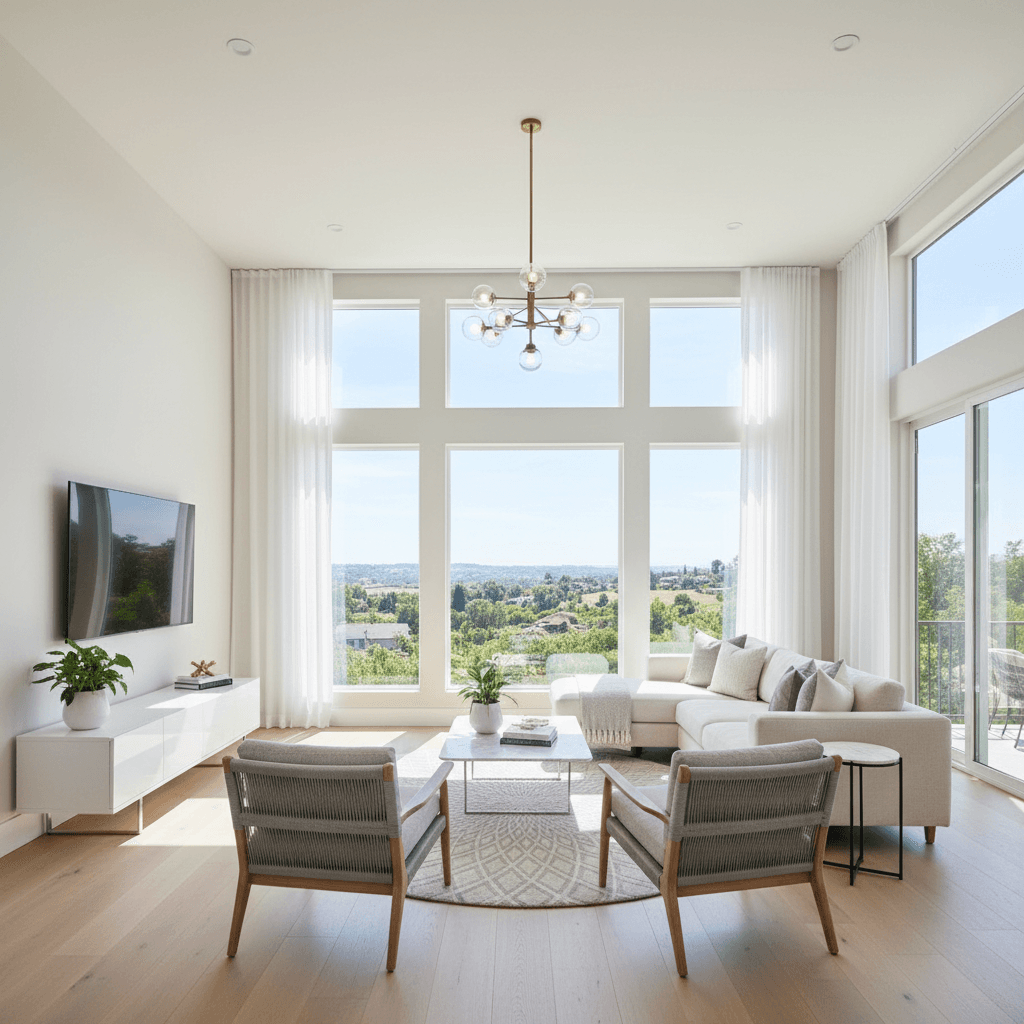
How Can Real Estate Photography Maximize Natural Light to Enhance Listings?
Natural light plays a critical role in how a property is perceived. It can make spaces feel open, inviting, and vibrant, directly influencing a potential buyer's emotional connection to a home. Understanding how to effectively capture and utilize natural light in real estate photography is essential for presenting listings in their best possible form.
Maximizing Natural Light in Real Estate Photography
Maximizing natural light in real estate photography involves strategic timing, careful preparation, and expert camera techniques to highlight a property's inherent brightness and openness. This means scheduling shoots during optimal times of day to capitalize on soft, ambient light, opening all window coverings to allow light to flood into rooms, and employing wide-angle lenses and appropriate camera settings (like a slightly higher ISO or wider aperture) to balance interior illumination with exterior views. Professional photographers also use subtle fill lighting when necessary to brighten shadowed areas without overpowering the natural ambiance.
Why Maximizing Natural Light Matters for Real Estate Listings
The strategic use of natural light significantly impacts how appealing a listing appears to prospective buyers or renters. Bright, well-lit photos convey a sense of spaciousness, cleanliness, and warmth, making rooms feel larger and more inviting. This contributes to a positive first impression, encouraging viewers to spend more time engaging with the listing online and ultimately increasing the likelihood of inquiries and showings. Properties that appear dark or dim in photos can be quickly overlooked, regardless of their actual features, because they fail to create an emotional connection. Good lighting can also highlight textures, colors, and architectural details more accurately, providing a truer and more appealing representation of the property.
Common Mistakes Agents Make When Relying on Natural Light
While natural light is powerful, several common mistakes can diminish its impact if not properly managed:
- Poor Timing: Shooting at midday when the sun is harsh and creates deep shadows, or too late in the day when light is insufficient.
- Unprepared Windows: Leaving blinds partially closed, drapes askew, or windows dirty, which obstructs natural light and creates distracting elements.
- Ignoring Room Orientation: Not accounting for which rooms receive direct sunlight at different times, leading to some areas appearing dim even on a sunny day.
- Over-reliance on Artificial Light: Trying to compensate for poor natural light with interior lamps that have different color temperatures, leading to inconsistent and unappealing mixed lighting.
- Incorrect Camera Settings: Using settings that either blow out highlights (overexposed windows) or leave interiors too dark, failing to balance the dynamic range of a naturally lit scene.
- Cluttered Spaces: Rooms filled with unnecessary items can absorb light and make the space feel smaller and less bright, negating the effect of good natural light.
How Professionals Approach Natural Light Differently
Professional real estate photographers possess the expertise and equipment to master natural light, turning it into a powerful asset for any listing. Their approach involves:
- Strategic Scheduling: They assess the property's orientation and choose optimal shooting times to capture the best natural light for each room, often scheduling different parts of the home at varying times of day.
- Meticulous Preparation: They advise on or actively adjust all window treatments, clean surfaces, and declutter to ensure maximum light penetration and an unobstructed view.
- Advanced Equipment and Techniques: Professionals use high-quality cameras with excellent low-light performance and wide dynamic range capabilities. They skillfully employ techniques like bracketing and HDR (High Dynamic Range) to capture multiple exposures and blend them, ensuring that both bright windows and darker interiors are perfectly exposed without sacrificing detail.
- Subtle Supplementary Lighting: When natural light alone isn't enough, they use professional off-camera flash or continuous LED lighting to subtly "fill" shadows, brighten dark corners, and create a balanced, inviting atmosphere without making the lighting look artificial.
- Post-Processing Expertise: After the shoot, they apply precise editing techniques to enhance natural light, correct color casts, and ensure every image reflects the true brightness and appeal of the property, without distorting reality. Their goal is to create images that feel natural, bright, and genuinely inviting.
Presenting a property in its best light is crucial for attracting prospective buyers. Dooorbell provides professional real estate photography services, including expert management of natural light, to ensure your listings shine.
Related Topics
Explore more insights on these related topics: