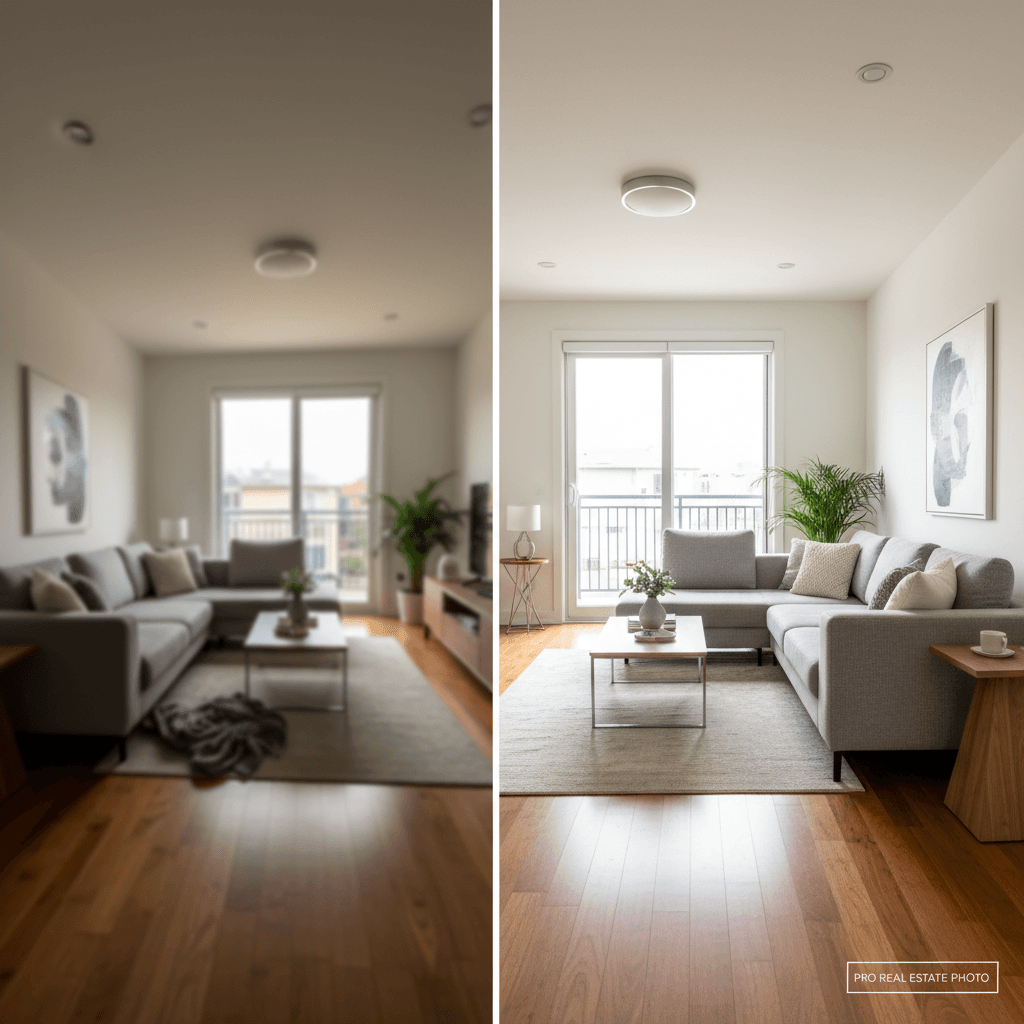
Can Real Estate Agents Effectively Use Smartphone Photos for Property Listings?
Many real estate agents, property managers, and brokers consider using their smartphone to capture listing photos, drawn by convenience and the immediate availability of a camera. While modern smartphones boast impressive cameras capable of taking good personal photos, the unique and demanding requirements of real estate photography often necessitate more than what a handheld device can deliver. This post explores the practicalities and inherent limitations of relying solely on smartphones for presenting a property's visual appeal to potential buyers or tenants.
Direct Answer to the Question
While smartphones can capture basic images, they are generally not effective for consistently creating the high-quality, professional-grade visuals required to stand out in competitive real estate markets. The specialized needs of real estate photography, such as capturing wide-angle shots without distortion, achieving consistent and balanced lighting across varied interior spaces, and highlighting intricate details with clarity, often exceed a smartphone's core capabilities. For optimal results that genuinely enhance a property's appeal and marketability, professional equipment and expertise are typically necessary.
Why This Matters for Real Estate Listings
First impressions are paramount in real estate. High-quality, compelling photos are the initial point of contact for most online property searches, significantly increasing engagement, generating more interest, and often leading to faster sales or rentals. Conversely, poor quality, dimly lit, or distorted smartphone photos can immediately deter potential buyers or tenants. These visuals often convey a lack of professionalism, fail to showcase a property's true potential and architectural integrity, and can ultimately undervalue the listing. This can result in lower click-through rates, fewer inquiries, and prolonged market times.
Common Mistakes Agents Make with Smartphone Photography
When attempting to photograph properties with a smartphone, agents commonly encounter several issues that detract from a listing's quality:
- Inconsistent Lighting and Color Temperature: Smartphones often struggle to balance varied light sources, leading to uneven lighting, harsh shadows, or inaccurate color rendition across rooms.
- Distorted Wide-Angle Shots: While some smartphones offer wide-angle lenses, they can introduce significant distortion (the "fisheye" effect) when used to capture entire rooms, making spaces appear unnatural or warped.
- Lack of Proper Staging or Attention to Detail: Without the structured approach of a professional, agents might overlook crucial details or present cluttered spaces, even with a capable camera.
- Blurry Images or Poor Focus: Especially in low-light conditions, smartphones can produce noisy or blurry images, losing the crisp detail essential for property visuals.
- Over-editing with Consumer Filters: Relying on built-in phone filters or apps can lead to an unprofessional, artificial look that doesn't accurately represent the property.
- Ignoring Crucial Angles or Features: An untrained eye might miss the most flattering angles or fail to properly highlight a property's unique selling points.
- Not Understanding Resolution Requirements: Smartphone photos might not always meet the specific resolution and quality standards required by MLS systems and major listing platforms, potentially leading to pixelated or compressed images.
How Professionals Approach This Differently
Professional real estate photographers bring a level of skill, equipment, and technique that smartphones cannot replicate:
- Specialized Lenses and Cameras: Professionals use high-end DSLR or mirrorless cameras with specialized wide-angle lenses designed to capture entire rooms accurately without the distortion often seen in smartphone wide-angle shots.
- Advanced Lighting Techniques: They employ sophisticated lighting setups, including off-camera flashes, strobes, and techniques like HDR (High Dynamic Range) bracketing, to ensure even illumination, true-to-life color, and balanced exposures regardless of natural light conditions.
- Expert Composition and Framing: With extensive training, professionals know how to compose shots, frame scenes, and select angles that highlight a property's best features, creating a sense of spaciousness and appeal.
- Professional Post-Processing: Image editing is performed with industry-standard software for precise color correction, exposure blending, lens distortion correction, and minor retouching. This maintains a natural and appealing look while resolving imperfections.
- Diverse Perspectives: Access to specialized equipment such as tripods for stability, gimbals for smooth video, and drones for aerial views allows for a diverse and compelling range of perspectives that showcase the property and its surroundings comprehensively.
Investing in professional real estate photography is an investment in your listing's success and your brand's reputation. Dooorbell provides expert photography, virtual staging, and other visual solutions designed to make your properties shine and attract the right buyers or tenants.
Related Topics
Explore more insights on these related topics: