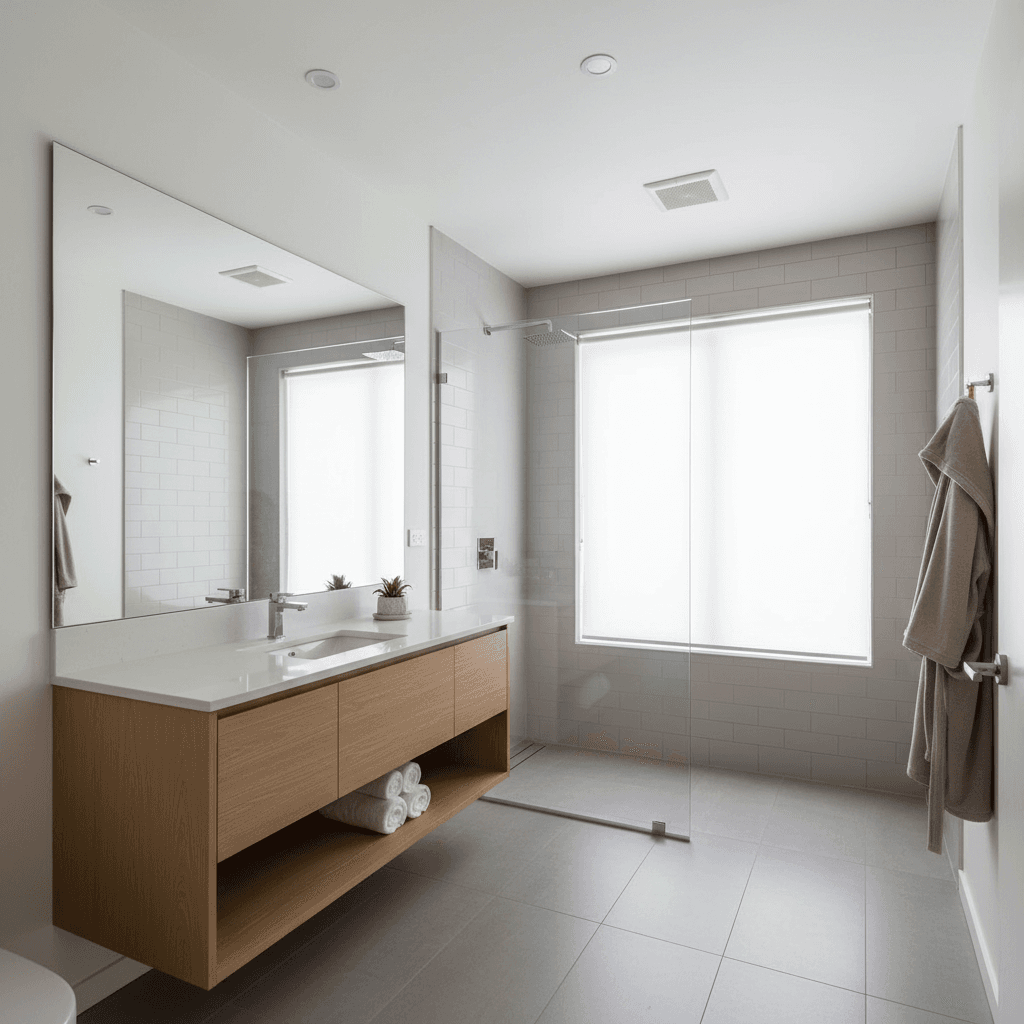
How Do You Effectively Photograph Small Rooms for Real Estate Listings?
Small rooms can present a significant challenge in real estate photography. Agents and property managers often struggle to convey a sense of space and openness when dealing with compact bedrooms, bathrooms, or utility areas. The goal is to make these rooms appear as appealing and functional as possible, avoiding a cramped or uninviting impression that can deter potential buyers or renters.
Effectively photographing small rooms for real estate listings involves a combination of strategic preparation, thoughtful camera techniques, and professional post-processing. The core approach is to maximize perceived space, enhance natural light, and highlight key features without distorting the room's true dimensions. This often means decluttering, using specific lenses, careful composition, and ensuring optimal lighting.
Direct Answer: Techniques for Photographing Small Rooms
To effectively photograph small rooms, begin by thoroughly decluttering and depersonalizing the space to remove any visual obstacles. Next, utilize wide-angle lenses (typically between 16mm-24mm on a full-frame equivalent) to capture a broader perspective, ensuring you maintain straight vertical lines to avoid distortion. Position your camera in a corner or doorway to capture as much of the room as possible, aiming for eye-level shots to create a natural viewpoint. Emphasize natural light by opening blinds and curtains, supplementing with artificial lighting if necessary to brighten dark corners. Finally, use professional editing to balance exposure, correct colors, and refine details, making the room appear spacious and inviting.
Why This Matters for Real Estate Listings
The way a small room is photographed can significantly impact a potential buyer's or renter's first impression and overall perception of a property. A poorly photographed small room can make an entire home feel cramped, leading to disinterest and fewer inquiries. Conversely, well-executed photos that make compact spaces feel open and airy can increase online engagement, encourage showings, and ultimately speed up the sales or leasing process. Buyers are often looking for functional and comfortable spaces, and effective photography can highlight these qualities even in modest dimensions, helping them envision themselves in the home.
Common Mistakes Agents Make
Real estate agents, in an effort to save time or cost, often make critical errors when photographing small rooms:
- Using a standard smartphone lens: Smartphone cameras typically have a wider field of view than a standard DSLR lens, but they lack the dynamic range and low-light performance needed for challenging interiors, often resulting in underexposed or distorted images.
- Excessive wide-angle distortion: While wide-angle lenses are necessary, overusing them or pointing them at extreme angles can create unnatural
Related Topics
Explore more insights on these related topics: