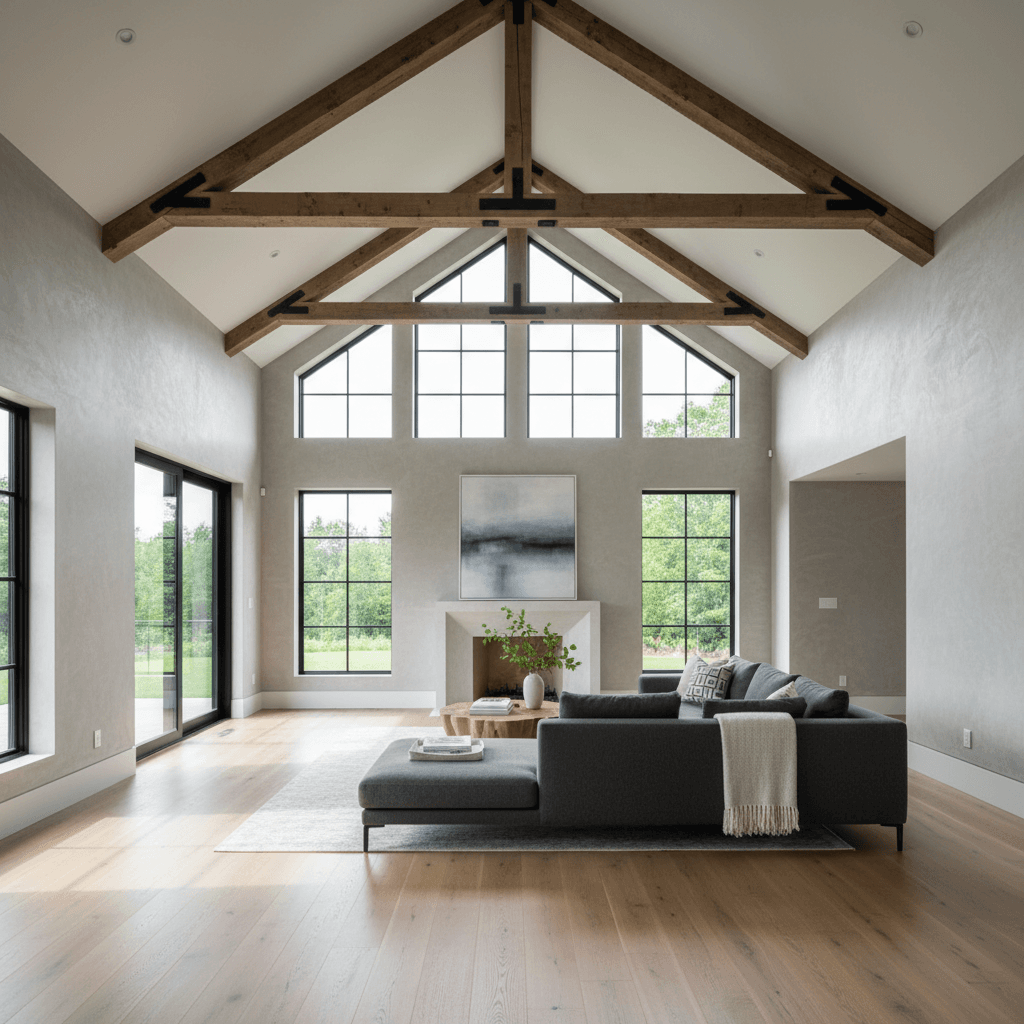
How Can Real Estate Photography Effectively Showcase Unique Architectural Features?
Many properties stand out not just by their size or location, but by their distinctive architectural elements. From vaulted ceilings and custom millwork to intricate facades and innovative layouts, these features often define a home's character and command buyer interest. Capturing these unique aspects effectively in real estate photos is crucial for conveying a property's true value and allure, yet it presents specific photographic challenges.
Direct Answer to the Question
Effectively showcasing unique architectural features in real estate photography requires a deliberate approach that emphasizes composition, lighting, and specialized techniques. Photographers must identify the key architectural highlights, use wide-angle lenses to capture their full scope, and employ careful lighting to accentuate textures, dimensions, and craftsmanship. Strategic angles, attention to detail, and a focus on storytelling through imagery are paramount to drawing attention to these defining elements and communicating their impact on the living space.
Why This Matters for Real Estate Listings
Highlighting unique architectural features goes beyond just showing what's there; it tells a story about the property's design, history, and craftsmanship. For buyers, these details can be significant differentiators, creating an emotional connection and justifying a higher perceived value. Listings that clearly showcase distinctive architectural elements tend to attract more qualified leads who appreciate these specific qualities. This focus can lead to quicker sales, higher offers, and a stronger sense of the property's unique identity in a competitive market. It helps listings stand out from generic competitors and reduces the need for extensive in-person explanation, as the photos speak volumes.
Common Mistakes Agents Make
Real estate agents often face challenges when trying to capture unique architectural features themselves or with inexperienced photographers:
- Poor Composition: Not framing the feature effectively, cutting off important details, or including distracting elements that detract from the architectural highlight.
- Inadequate Lighting: Relying solely on ambient light, which can leave features looking flat, dark, or underexposed, failing to highlight textures or depth.
- Using Standard Lenses: Employing smartphone cameras or standard lenses that can't capture the full scope of large architectural elements like double-height ceilings or expansive archways, leading to a cramped or incomplete view.
- Lack of Storytelling: Simply snapping a picture without considering how the feature integrates into the overall space or contributes to the property's unique character.
- Over-editing: Applying filters or heavy edits that distort the true appearance or texture of architectural materials, making them look unnatural or false.
- Ignoring Context: Photographing a unique detail in isolation without showing its relationship to the surrounding rooms or the property's flow.
How Professionals Approach This Differently
Professional real estate photographers adopt a nuanced strategy to capture architectural uniqueness:
- Strategic Planning & Scouting: Before the shoot, they identify key architectural elements and plan compositions that best highlight them. This might involve scouting the property to understand light patterns throughout the day.
- Specialized Equipment: They utilize wide-angle lenses designed to capture expansive features without distortion, and often tilt-shift lenses for perfect vertical alignment in challenging spaces. Tripods ensure sharp, detailed images.
- Mastery of Lighting: Professionals employ advanced lighting techniques, including off-camera flashes or multiple exposures (HDR), to illuminate features evenly, bring out textures, and control shadows, ensuring every detail is visible and appealing.
- Compositional Expertise: They understand how to use leading lines, rule of thirds, and framing to draw the viewer's eye directly to the architectural highlight, ensuring proper perspective and scale.
- Detail-Oriented Focus: Beyond wide shots, they capture close-ups of intricate carvings, unique material transitions, or custom fixtures, showcasing the craftsmanship and quality.
- Post-Production Finesse: Skilled editors enhance images by correcting color, exposure, and perspective, ensuring the architectural features are presented authentically and appealingly, without artificiality. They can also subtly remove minor distractions.
To ensure your listings stand out by beautifully showcasing every unique aspect of a property, consider partnering with Dooorbell for professional real estate photography services.
Related Topics
Explore more insights on these related topics: